Antengo Website: Designing a Scalable Digital Presence for an Emerging Startup
ROLE: Product & Brand Designer
CLIENT: Marcus Wandell
INDUSTRY: Technology / SaaS
Antengo is an AI-powered marketplace and publisher monetization platform focused on helping publishers generate new revenue streams through contextual commerce, intelligent demand routing, and integrated marketplace experiences.
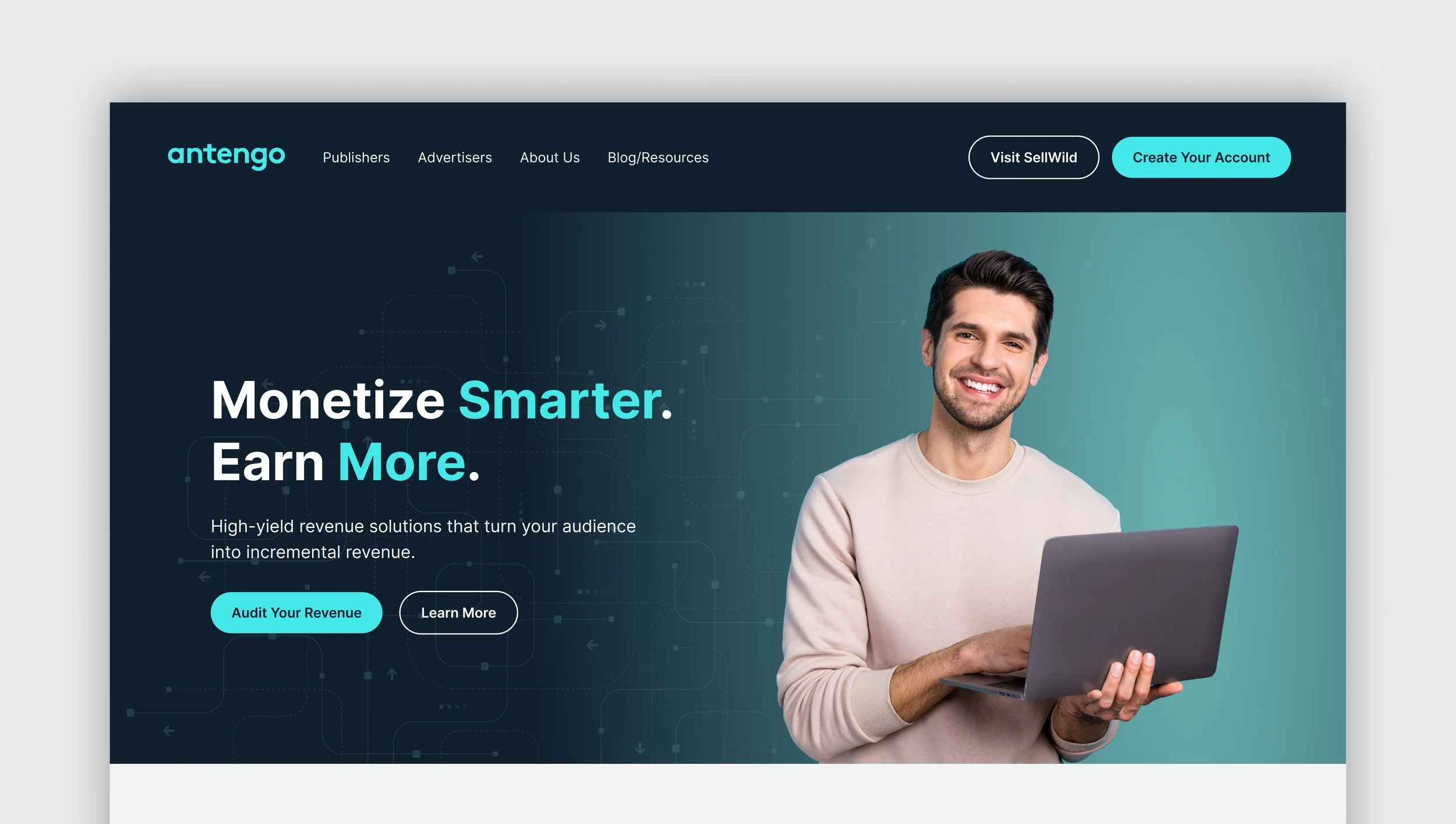
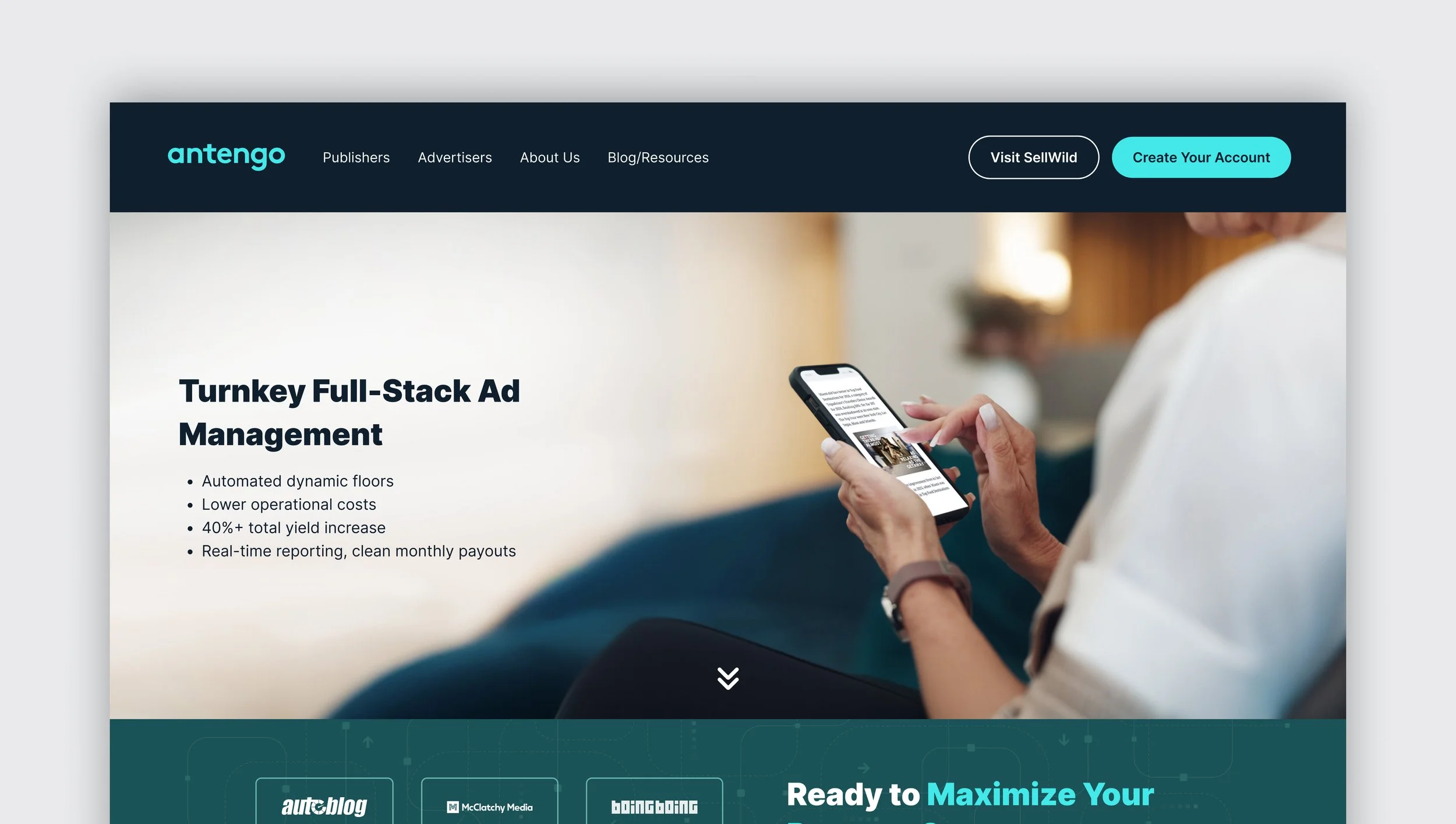
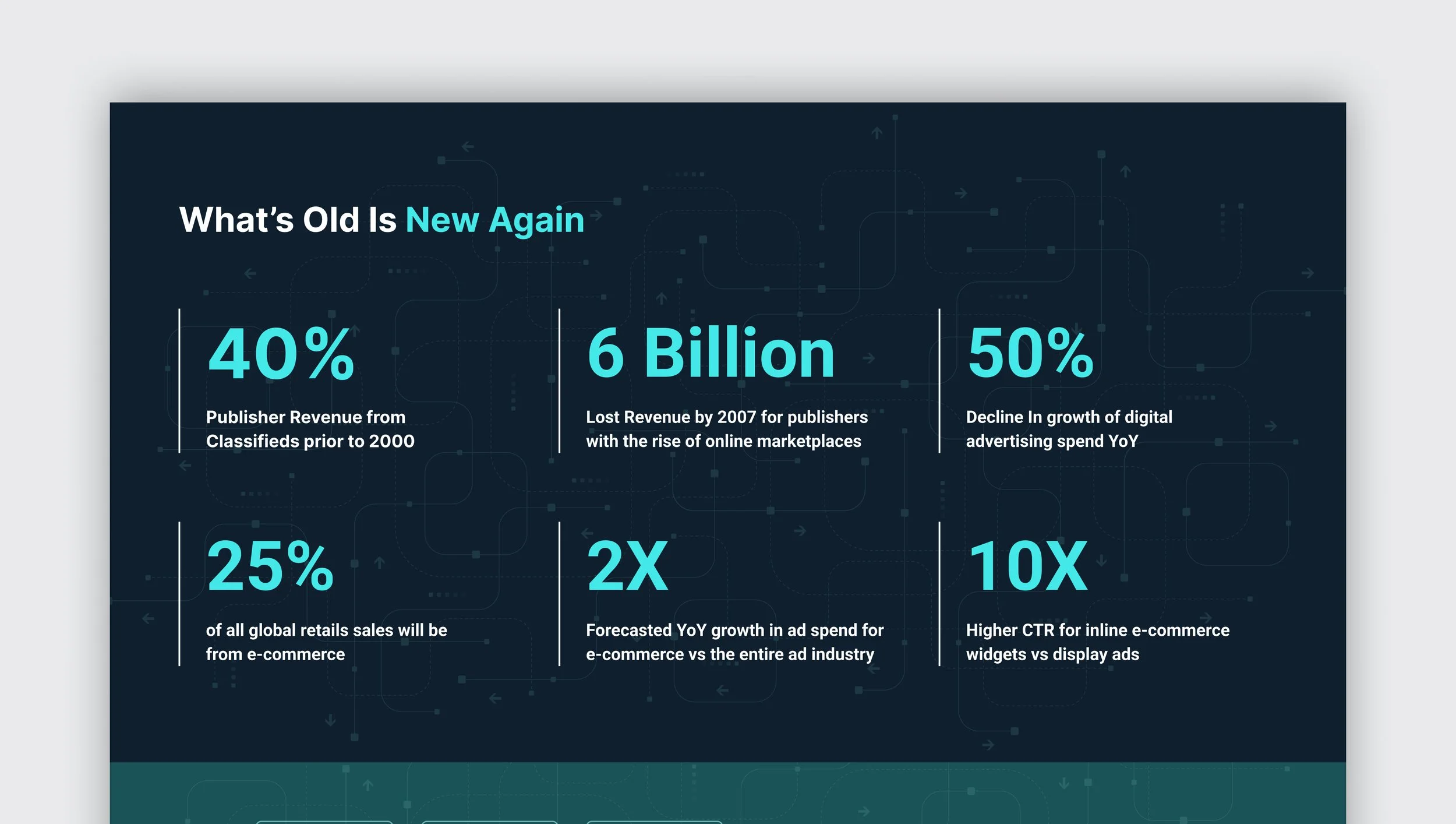
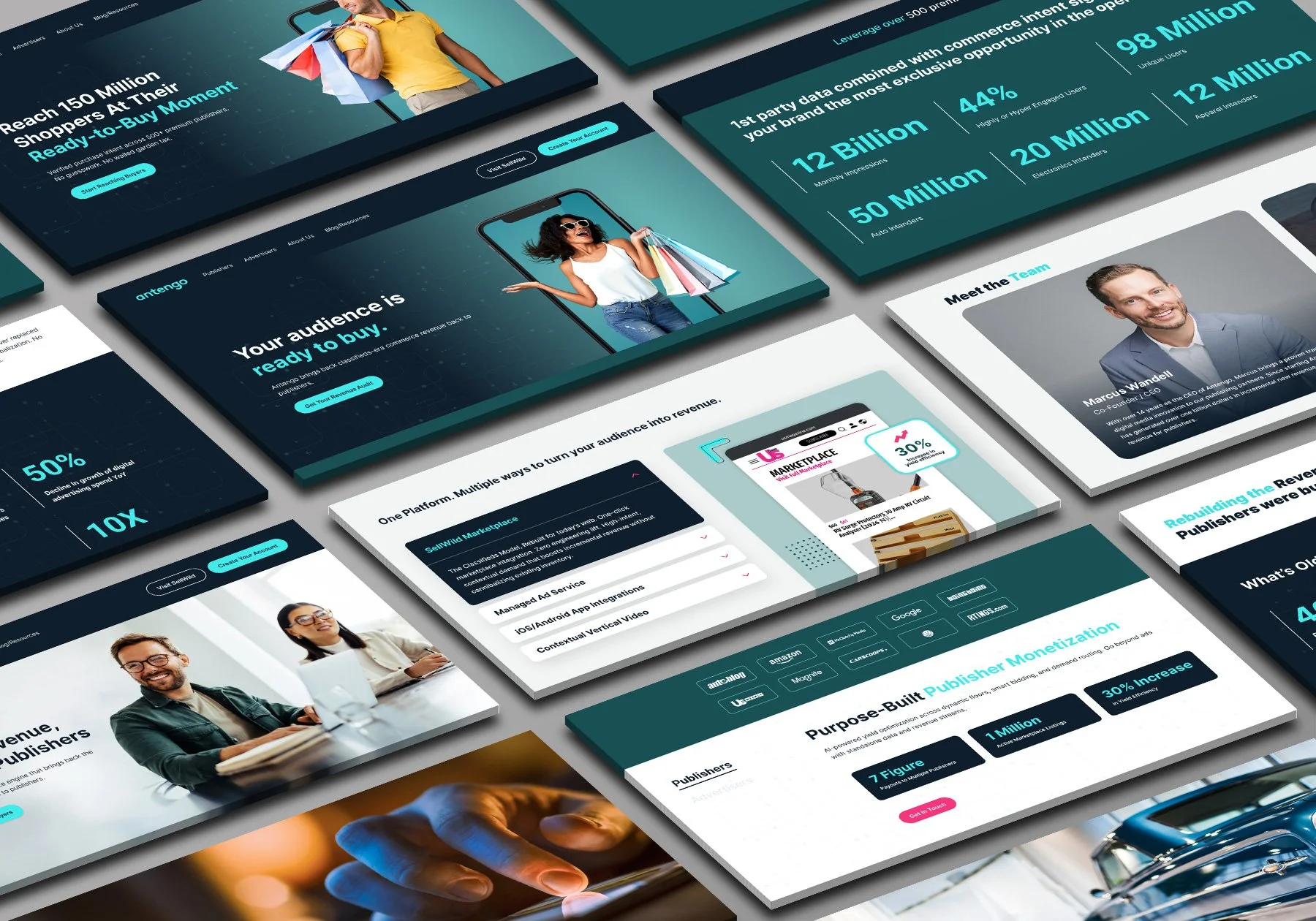
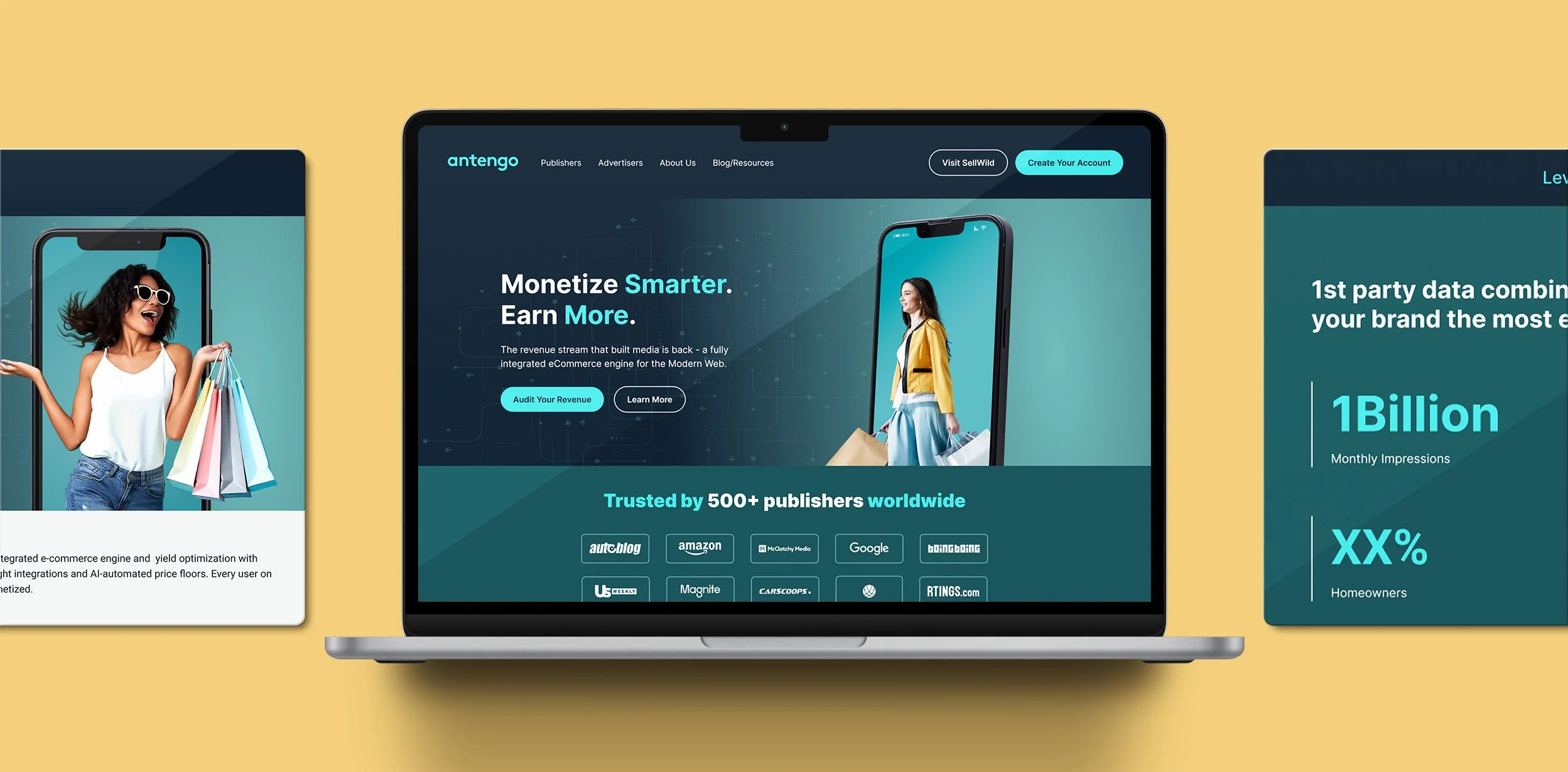
I was brought on to design and build a modern marketing website that could clearly communicate Antengo’s evolving platform offerings while establishing a stronger sense of credibility, clarity, and visual consistency. The goal was to translate complex ad-tech and monetization concepts into a more approachable, conversion-focused digital experience that felt modern, scalable, and easy to navigate.
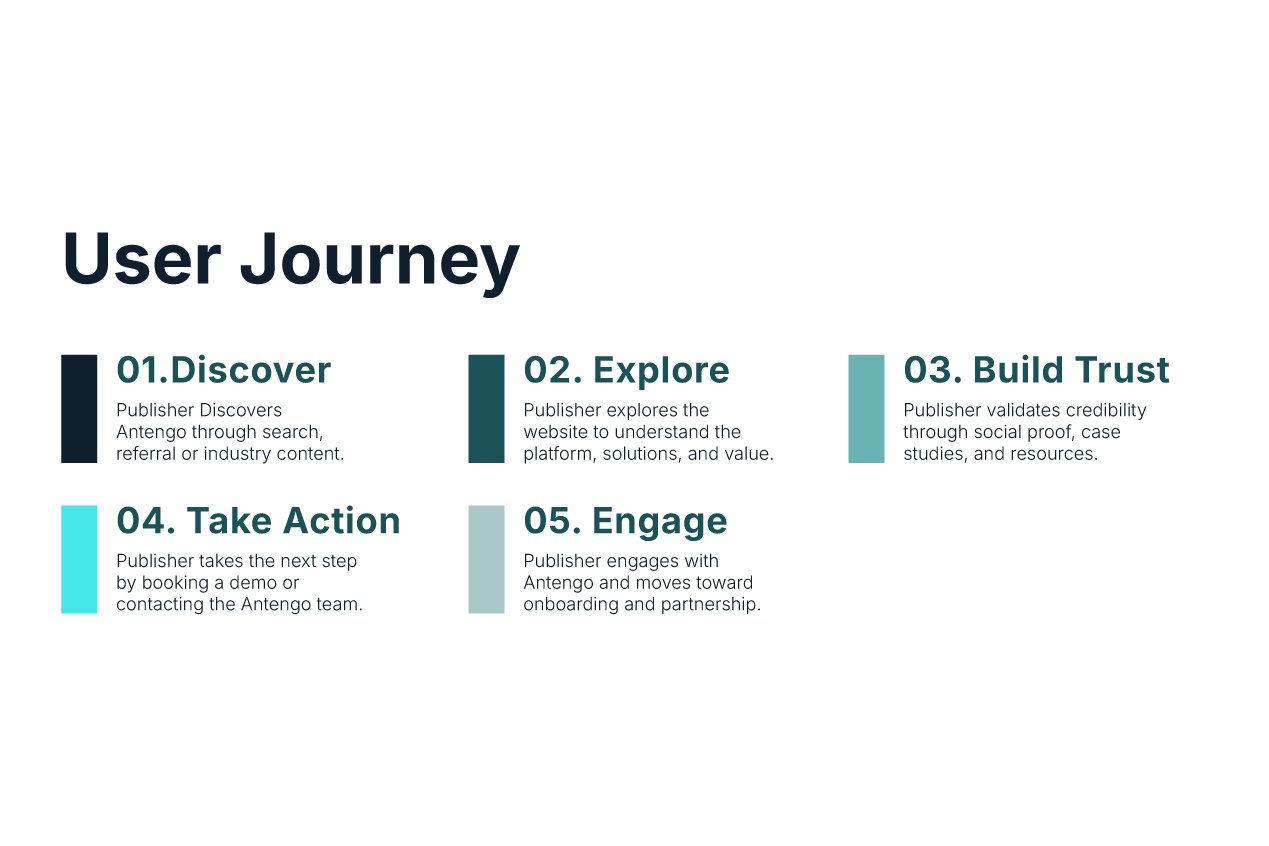
The site was designed with a clear information hierarchy and intuitive user journey to support both discovery and lead generation, while helping position Antengo as a polished and trustworthy platform for prospective clients and partners.
KEY SKILLS DEMONSTRATED: Information Architecture • UX Strategy • Content Design • Responsive Design • Conversion Optimization • Design Systems • Framer Development
MY CONTRIBUTIONS:
Information Architecture
UX Strategy
Content Hierarchy
Conversion Optimization
Responsive Design
Visual Design
Design System Development
The Challenge
Translating a Complex Business Model into a Clear User Experience
Antengo operated at the intersection of AI, publishing, advertising technology, and marketplace services.
While the platform offered significant value to publishers, the business model involved multiple products, services, and revenue opportunities that needed to be communicated clearly to different audiences.
The challenge was not simply creating a visually appealing website. It was creating an experience that helped prospective customers quickly understand what Antengo offered, how it worked, and why it was different from competing solutions.
Key Challenges:
Clarify a complex value proposition
Establish credibility for a growing startup
Support multiple audience needs
Create scalable content structures
Improve conversion opportunities
Build a flexible foundation for future growth
Understanding the User Journey
Identifying Content Priorities and User Needs
Before defining layouts or visual direction, I focused on understanding the information users would need to make informed decisions.
Potential customers needed answers to several key questions:
What is Antengo?
How does the platform work?
Who is it for?
What business problems does it solve?
Why should publishers trust it?
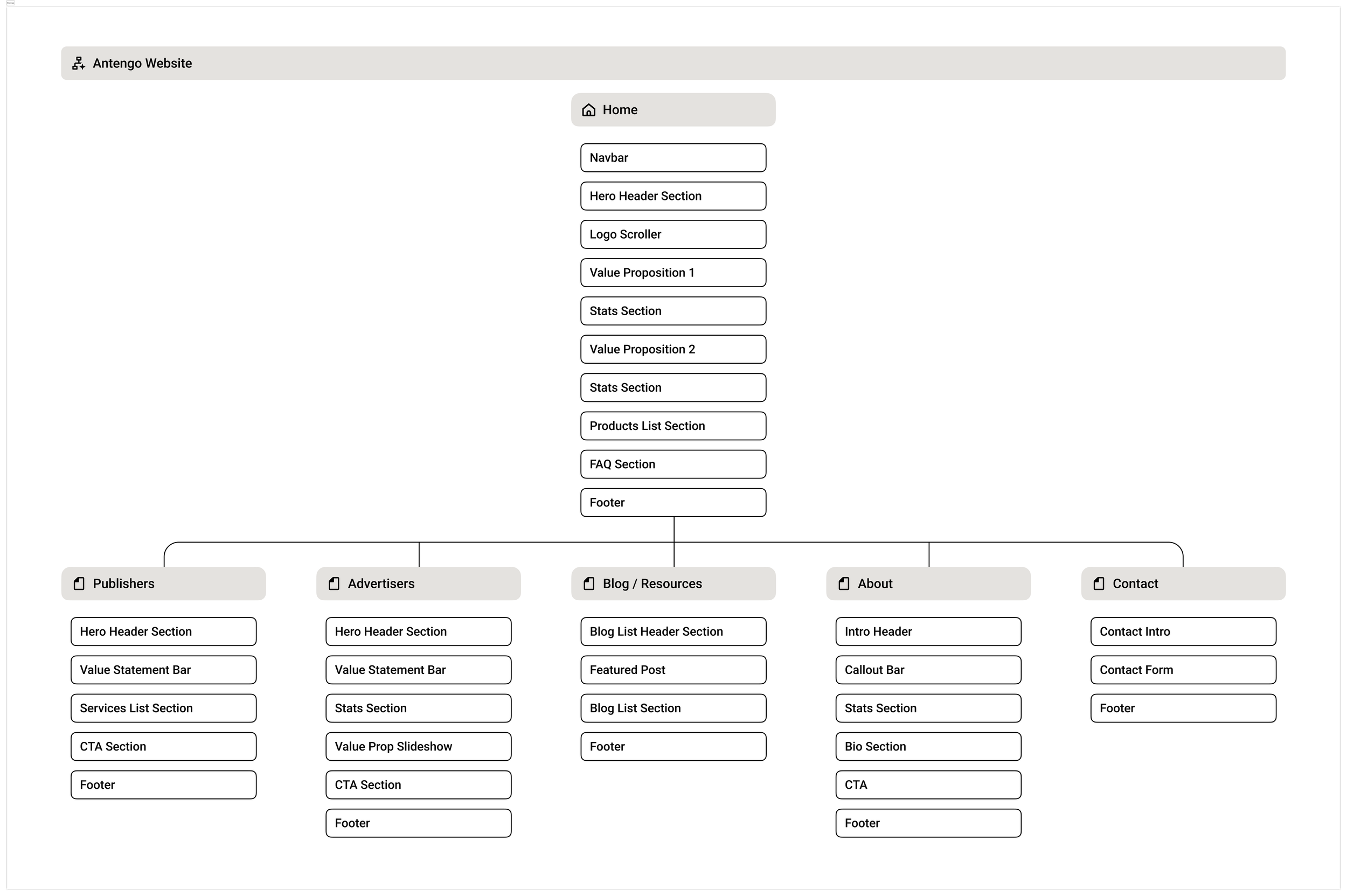
This informed the overall content hierarchy and navigation strategy for the site.
UX Priorities
Clear value proposition
Simplified content structure
Logical information flow
Strong calls-to-action
Reduced cognitive load
Mobile accessibility
The Visual Design System
Creating a Cohesive and Flexible Brand Experience
Beyond the website itself, the project required establishing a visual language that could support future growth.
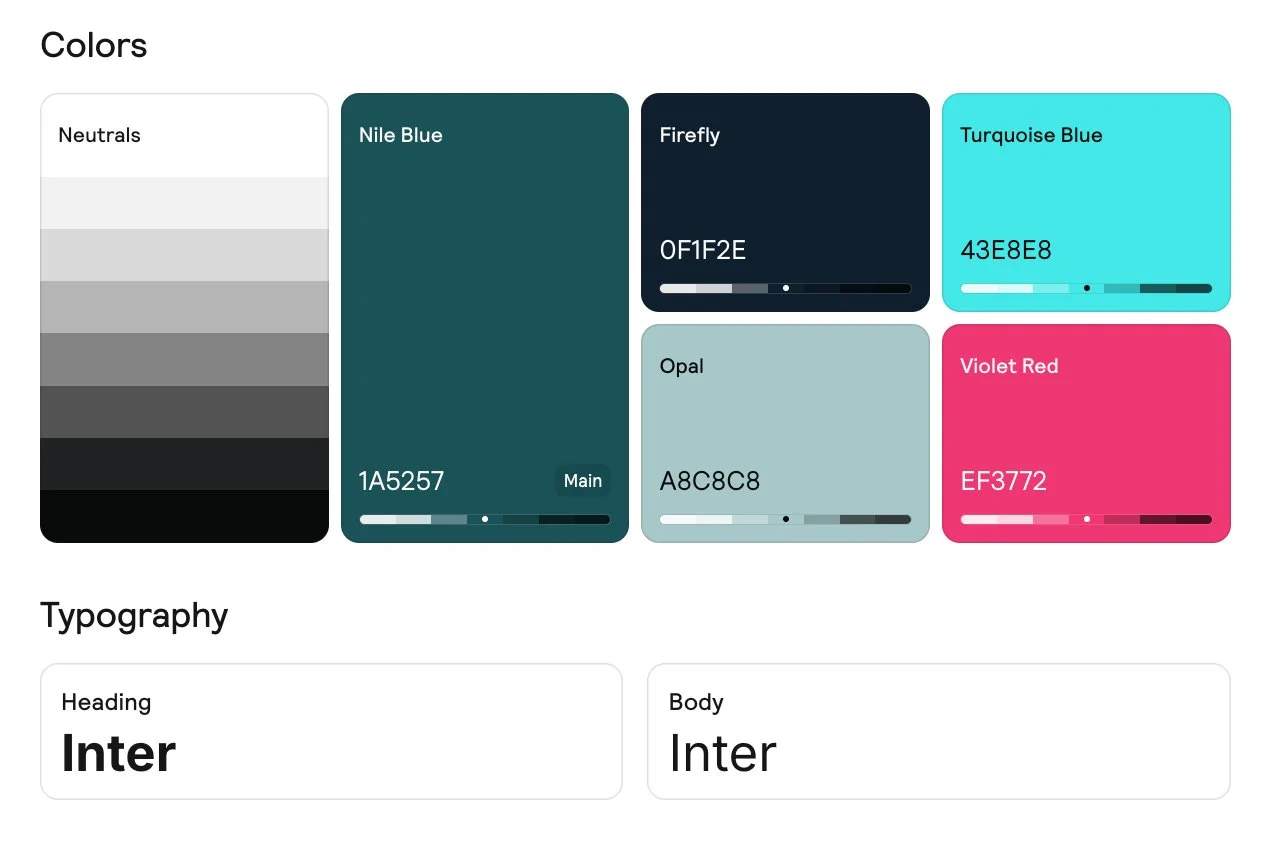
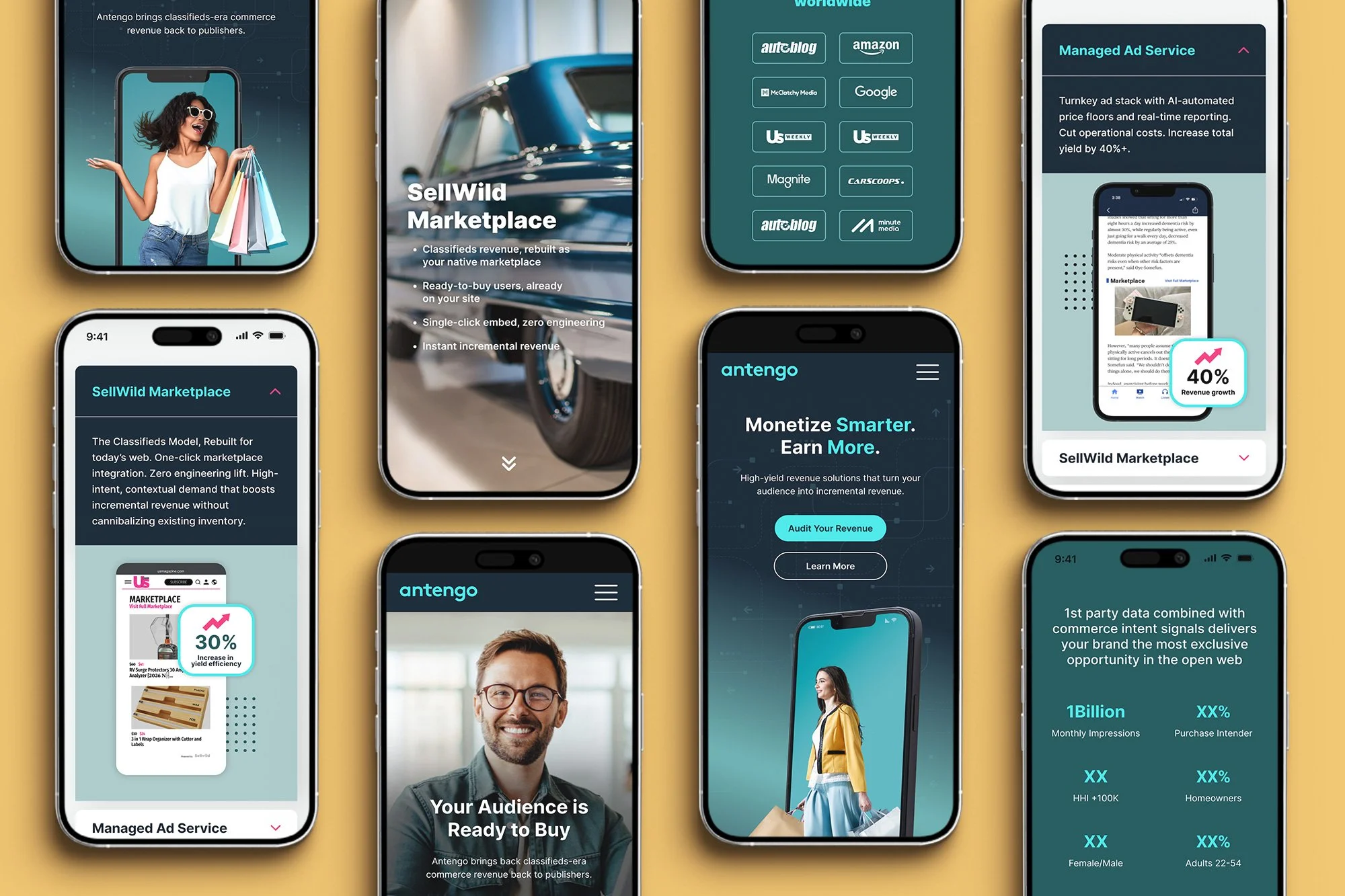
I developed a modern design system that balanced professionalism with approachability, helping position Antengo as an innovative technology company while remaining accessible to publishers and business stakeholders.
The resulting system provided consistency across marketing pages, content modules, and future digital touchpoints.
Design Principals:
Modular components
Consistent visual hierarchy
Flexible content blocks
Scalable design patterns
Accessible responsive layouts
Modular Design
The Outcome
Establishing a Foundation for Growth
The final website transformed a complex business offering into a clear and engaging digital experience.
By combining information architecture, UX strategy, content hierarchy, and visual design, the site provided Antengo with a scalable platform capable of supporting future marketing, product, and business development initiatives.
Results
Clarified Antengo’s value proposition
Improved content organization and discoverability
Created scalable information architecture
Established a cohesive visual design system
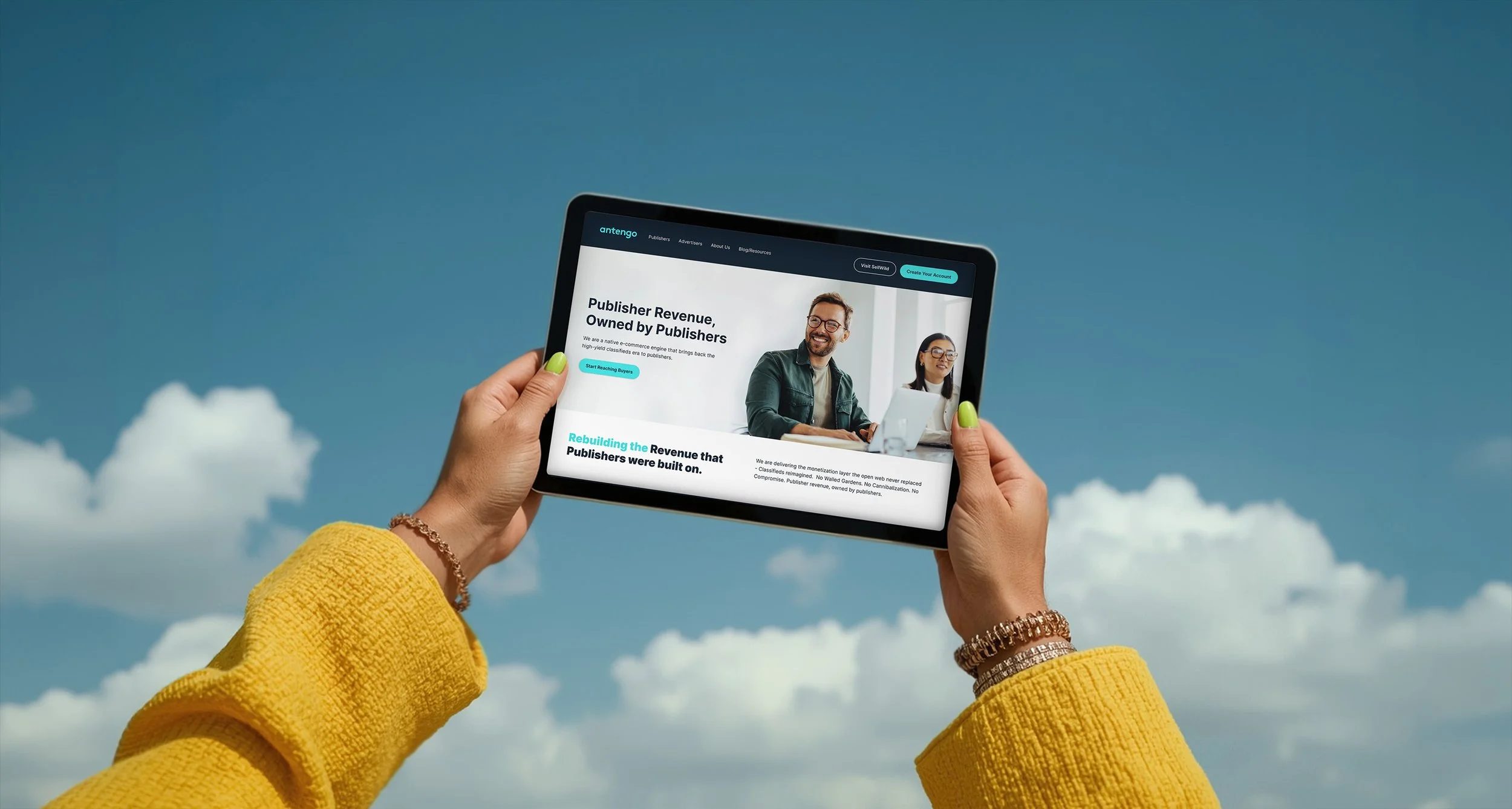
Delivered a responsive experience across devices
Built a flexible foundation for future growth